Elena Rodriguez
Jan 15, 2026
A deep dive into how modern colorists are transforming the visual landscape of comic books.
For decades, comic book colorists worked in the shadows, their contributions overlooked in favor of writers and pencillers. That era is definitively over. Today's colorists are recognized as essential creative partners whose work can elevate a good comic into a masterpiece.
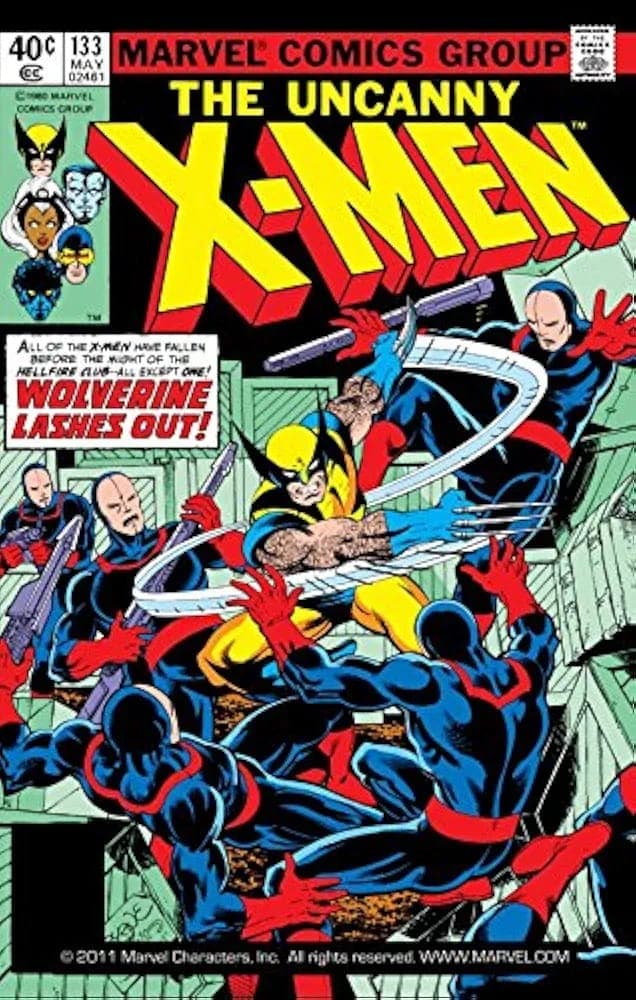
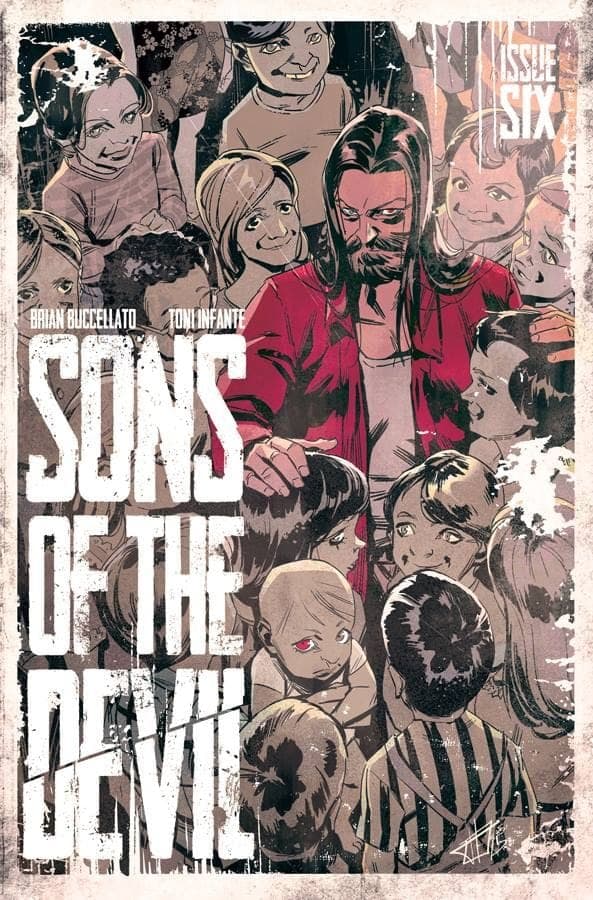
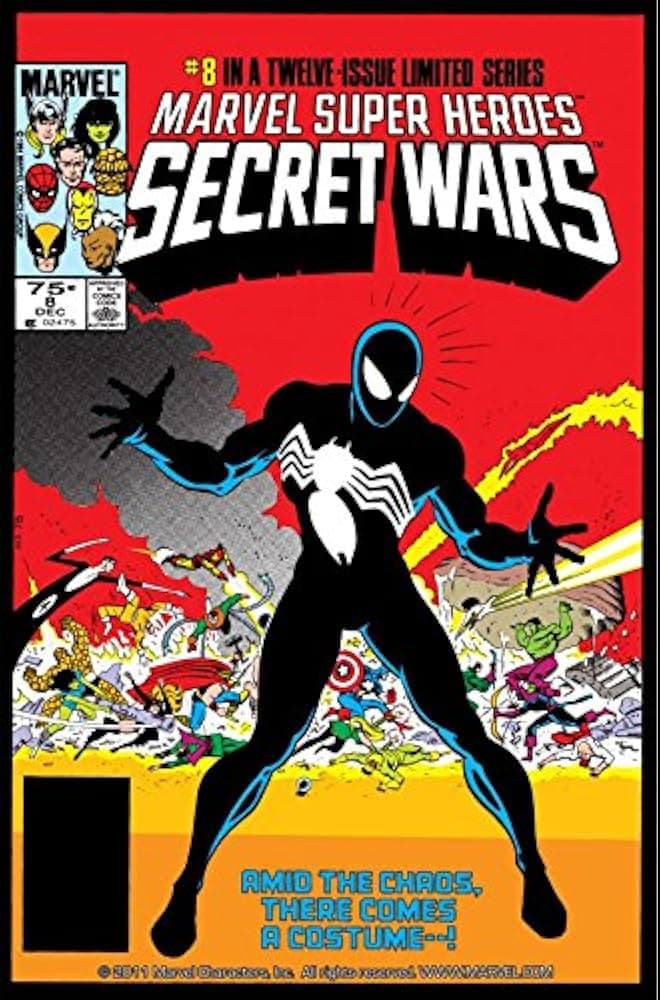
The transition from hand-painted separations to digital coloring in the late 1990s revolutionized the craft. Early digital coloring was often garish and over-rendered, but as artists mastered new tools, a new visual language emerged. Colorists like Matt Hollingsworth, Jordie Bellaire, and Dave Stewart developed distinctive styles that became as recognizable as any penciller's line work.
Modern coloring techniques include:
The impact is undeniable. Pick up any critically acclaimed comic today and you'll find a colorist whose work is integral to the storytelling. They're not just filling in lines — they're creating entire worlds.