Rachel Kim
Dec 12, 2025
Tracing Wolverine's journey from mysterious side character to one of Marvel's most beloved heroes.
When Wolverine first appeared in The Incredible Hulk #181 in 1974, he was little more than a scrappy Canadian government agent in a garish yellow costume. No one could have predicted that this minor character would become one of the most iconic figures in all of pop culture.
The Early Years (1974-1980)
Created by Len Wein and designed by John Romita Sr., Wolverine was originally intended as a one-off antagonist for the Hulk. His inclusion in the Giant-Size X-Men #1 relaunch was almost an afterthought. But something about the character resonated.
The Claremont Revolution (1980-1991)
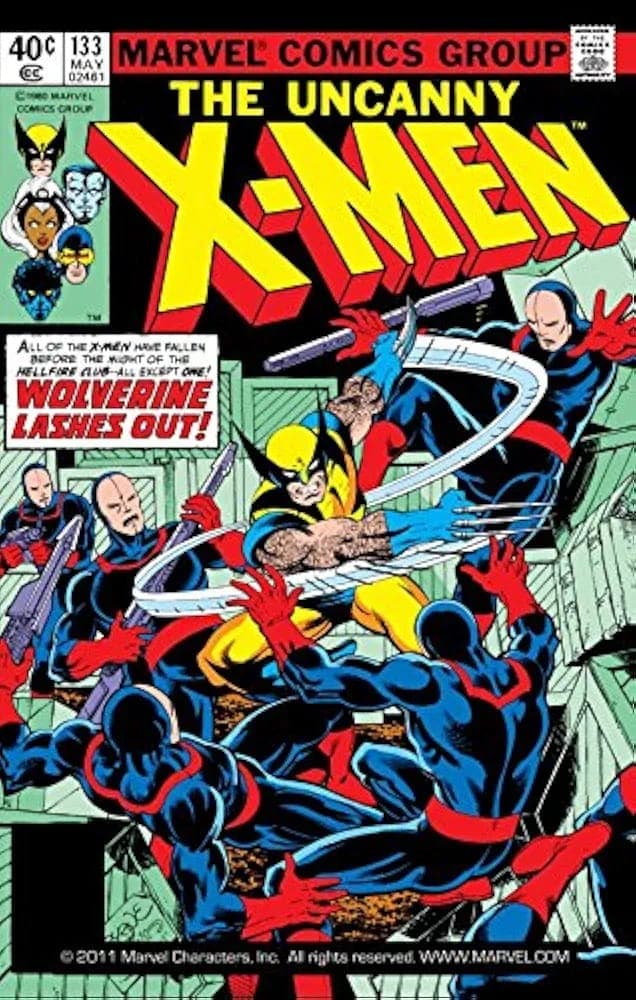
Chris Claremont transformed Wolverine from a berserker with claws into a complex anti-hero with a samurai's code of honor. The legendary Uncanny X-Men #133, where Wolverine single-handedly takes on the Hellfire Club, cemented his status as the X-Men's breakout star. The subsequent solo series, illustrated by Frank Miller, added layers of Japanese culture and tragic romance.
The 90s Explosion (1991-2000)
Wolverine became Marvel's most popular character, appearing in seemingly every title. The bone claws revelation, the adamantium loss, and the feral regression gave writers years of material. His popularity drove the X-Men animated series and eventually the film franchise.
The Modern Era (2000-Present)
Hugh Jackman's portrayal in the X-Men films made Wolverine a global icon. In comics, stories like 'Old Man Logan' and 'Enemy of the State' continued to push the character in bold directions. Even his death in 2014 (and inevitable return) couldn't diminish his appeal.
Wolverine endures because he represents something universal: the struggle between our savage nature and our higher aspirations. He's the best there is at what he does — and what he does is give us one of fiction's most compelling characters.